My friend Tariq handed me his iPhone 16 Pro Max at a wedding last October and said, “Just take a photo — it’ll be better than your camera.” I grabbed it, pointed it at the dancefloor, and the shot came back so clean you could see individual sequins on someone’s dress twenty feet away. Low light, moving subjects, no flash. I stood there for a second just staring at it.
That’s the iPhone 16 Pro Max in one moment. Not benchmark numbers. Not spec sheets. A photo at a wedding that made me feel vaguely bad about my own phone.
But here’s the thing — is that worth $1,199? Let’s actually talk about it.
Release Date and Announcement
Apple announced the iPhone 16 Pro Max on September 9, 2024, alongside the rest of the iPhone 16 family, and it went on sale September 20, 2024. The announcement came at Apple’s annual fall event, and honestly, the reaction was split — some people loved the upgrades, others felt it was another incremental year. I’d push back on the “just incremental” crowd a little, because the camera and battery improvements here aren’t trivial.
Full Specs at a Glance
Let’s get the numbers out of the way before we get into the real talk.
| Specification | Details |
|---|---|
| Announced | September 9, 2024 |
| Released | September 20, 2024 |
| Display | 6.9-inch Super Retina XDR OLED, ProMotion 1–120Hz, HDR, 2000 nits peak, 2868×1320 resolution, 92.35% screen-to-body |
| Chipset | Apple A18 Pro (3nm) — 6-core CPU, 6-core GPU, 16-core Neural Engine |
| RAM | 8 GB |
| Storage Options | 256 GB / 512 GB / 1 TB (no microSD slot) |
| Main Camera | 48 MP, f/1.78 aperture, Fusion sensor with next-gen sensor-shift OIS |
| Ultra-Wide Camera | 48 MP, f/2.2, macro photography support |
| Telephoto Camera | 12 MP, 5× optical zoom, f/2.8, tetraprism |
| Front Camera | 12 MP, autofocus, 4K video |
| Video | 4K up to 120fps (Fusion camera), ProRes, Dolby Vision, Cinematic mode, Spatial Video |
| Battery | 4,685 mAh |
| Charging | Wired (USB-C, MagSafe), Qi2 wireless |
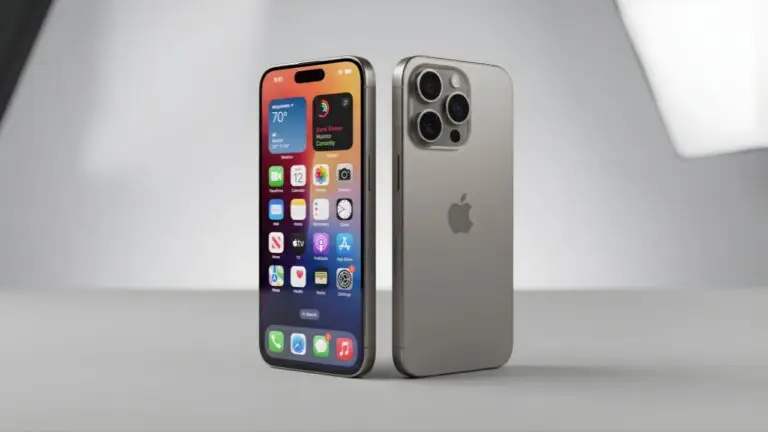
| Build | Grade 5 Titanium frame, Ceramic Shield front glass, textured matte glass back |
| Biometrics | Face ID (3D facial recognition) |
| Water Resistance | IP68 (6 metres for 30 minutes) |
| Connectivity | 5G, Wi-Fi 7, Bluetooth 5.3, NFC, USB 3 (USB-C), eSIM |
| SIM | eSIM only (US model); Nano-SIM + eSIM (international) |
| Operating System | iOS 18 (launched); upgradeable to iOS 26 |
| Dimensions | 163.0 × 77.6 × 8.25 mm |
| Weight | 227 g (8.01 oz) |
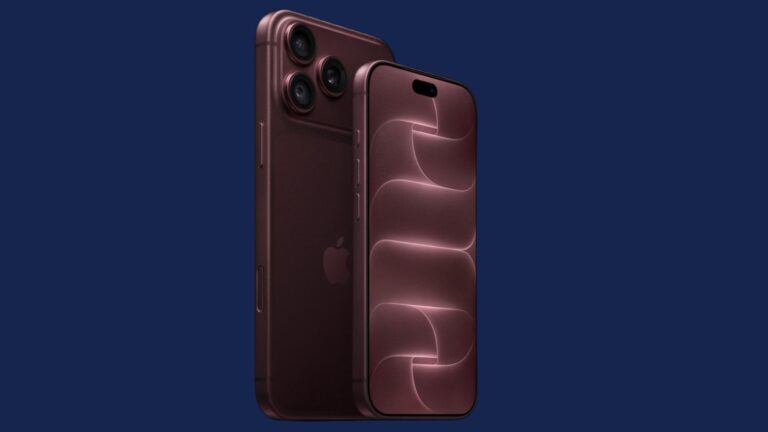
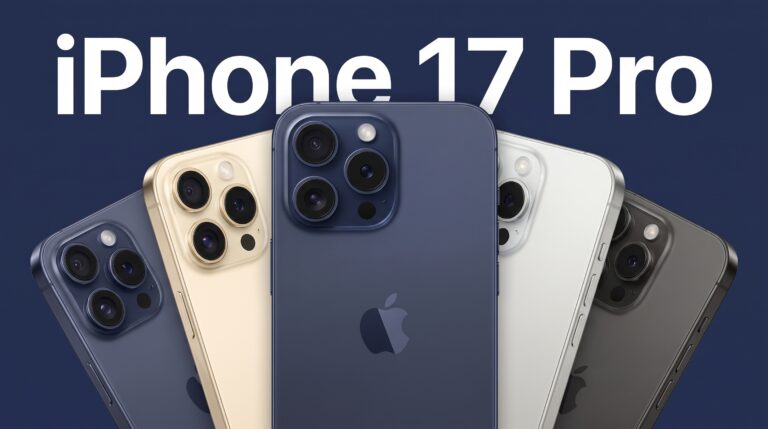
| Colors | Black Titanium, White Titanium, Natural Titanium, Desert Titanium |
| Special Buttons | Action Button, Camera Control Button |
| Launch Price (256 GB) | $1,199 |
| Launch Price (512 GB) | $1,399 |
| Launch Price (1 TB) | $1,599 |
| Current Price (used, May 2026) | From ~$616 (Swappa); Apple Refurbished 512 GB from $1,099 |
Price — Launch vs. Now
At launch in September 2024, the iPhone 16 Pro Max started at $1,199 for 256 GB, $1,399 for 512 GB, and $1,599 for the 1 TB model. Apple didn’t offer a 128 GB option on the Pro Max — which is the right call, honestly, because nobody buying this phone should be squinting at storage limits.
Since the iPhone 17 lineup launched in September 2025, Apple has officially discontinued the iPhone 16 Pro Max from its main store. So where do you get one now? Apple’s certified refurbished store has the Pro Max available, with the 512 GB model starting at $1,099. On the used market through platforms like Swappa and Back Market, prices start around $616 as of May 2026, depending on condition and storage tier. Apple’s refurbished units come with a new battery, a new outer shell, and a one-year limited warranty — so if you want something close to “new” without paying new-phone prices, that’s genuinely the sweet spot.
What It’s Actually Like to Use
So beyond the wedding photo moment — what does day-to-day use feel like?
The Camera Is the Star (But With a Caveat)
In my experience, the jump from the iPhone 15 Pro Max to the 16 Pro Max is most obvious in two places: ultra-wide shots and low-light video. The new 48 MP ultra-wide is a real upgrade — the 15 Pro Max was stuck at 12 MP here for years, and macro shots especially look stunning now. Low-light performance benefits significantly from the A18 Pro chip’s computational photography, and the combination of ProRes, 4K recording, and Cinematic mode makes this arguably the best video phone you can buy in its class.
The thing nobody tells you, though, is that for standard daylight photography, you’ll be hard-pressed to notice a difference compared to the iPhone 15 Pro Max or even the 14 Pro Max in most situations. Computational improvements plateau on sunny days. The camera earns its reputation in the hard conditions — dusk, concerts, indoor events, anything where light is imperfect. That’s when the gap opens up.
The Camera Control Button: Cool or Gimmick?
Apple introduced a new Camera Control button on the side of the phone, letting users quickly launch and control the camera without touching the screen. Honestly? I was skeptical. After using it for a few weeks, I’d say it’s genuinely useful for video — you can slide to adjust zoom or exposure mid-shot — but for photos, most people just tap the screen anyway. It’s a nice-to-have, not a reason to upgrade.
Performance That Just Doesn’t Get In Your Way
On Geekbench 6 single-core tests, the A18 Pro scored about 50% higher than the Snapdragon Gen 3 chip powering the Galaxy S24 Ultra. What does that mean in real life? Apps open before you’ve finished the thought of opening them. 4K video export takes seconds. The phone doesn’t break a sweat on demanding games or heavy multitasking — the A18 Pro’s extra GPU core compared to the standard A18 provides a meaningful edge in sustained performance.
Do you actually need that power for scrolling Instagram and sending voice notes? No. But if you edit video on your phone, work in Pro apps, or just want something that still feels fast in three years, the A18 Pro is a real long-term investment. Apple’s support window here extends through iOS 23 (2029) based on historical patterns — that’s five years of major updates from launch.
Battery Life — Finally, Actually Good
This was a genuine surprise. Real-world usage with mixed screen-on activity — maps, photos, social media, messaging — gets you to six or seven hours of screen-on time consistently. Power users running LiDAR, GPS, and video continuously might get less, but for the average person, you’re going to bed with battery left. That’s a meaningful upgrade over the already-solid 15 Pro Max. The anxiety of watching your battery percentage drop at 3 PM? Gone.
The One Thing I’d Warn You About
Weight and size. At 227 grams and 163mm tall, this phone is substantial. Not “awkward” — but noticeable, every day. One-handed use is genuinely uncomfortable for anything beyond passive scrolling, and if you have smaller hands, you’ll feel it within the first hour and probably never stop noticing it. It’s the trade-off for that big beautiful screen, and nobody’s pretending otherwise.
iPhone 16 Pro Max vs. iPhone 16 Pro — Which One?
A fair question that deserves a straight answer. The regular 16 Pro has a 6.3-inch display versus the 6.9-inch here, and started at $999 versus the Pro Max’s $1,199. The camera systems are identical between the two. The differences come down to display size, battery life (the Pro Max wins clearly), and whether your hands and pockets can handle the larger form factor.
Choose the iPhone 16 Pro if: you want Pro-tier cameras without the bulk, you’re a one-handed phone user, or you carry your phone in tighter pockets or small bags.
Choose the iPhone 16 Pro Max if: you watch a lot of video, you shoot content professionally, battery anxiety is a real problem for you, or you simply want the biggest and most capable iPhone — full stop.
Should You Buy the iPhone 16 Pro Max?
Here’s where I’ll give you a straight answer, because a vague “it depends” conclusion is useless. Let’s break it down by who you are.
Yes, Buy It If…
- You’re upgrading from an iPhone 13 Pro Max or older. The jump is enormous — chip speed, camera quality, display, battery, everything improved in ways you’ll notice daily.
- You shoot a lot of video or photography for work, content creation, or social media. The 48 MP ultra-wide and ProRes video are professional-tier tools, not marketing checkboxes.
- You want a phone Apple will keep supporting with major updates through 2029 at minimum.
- You can find it refurbished or used for under $800. At that price in 2026, it’s one of the best-value flagship phones on the market — period.
Skip It If…
- You already have an iPhone 15 Pro Max. The ultra-wide improvement and Camera Control button don’t justify spending $1,000+. Save your money.
- You want the absolute latest. The iPhone 17 series is out now — compare carefully before committing to last year’s flagship.
- Budget is a real concern. The regular iPhone 16 shares the same chip generation, has a great camera, and costs significantly less new or used. Honestly, it’s a better value for 80% of people.
The honest verdict: the iPhone 16 Pro Max is a genuinely excellent phone. Not a revolutionary one — but one that earns its premium through real-world camera quality, battery longevity, and a chip that won’t feel slow for years. At launch prices it was a tough sell unless you truly needed everything it offered. At current used or refurbished prices in 2026, it’s a much easier recommendation — one I’d make without hesitation to the right buyer.
What about you — are you considering picking up a 16 Pro Max now that prices have dropped, or are you holding out for the iPhone 17 Pro Max instead? Drop a comment below. I’m genuinely curious how many people are still rocking a 2022 phone and waiting for the right moment to jump.