I have a friend — a photographer who shoots weddings on the weekends and corporate events during the week — who upgraded from his iPhone 14 Pro to the iPhone 16 Pro back in late 2024, and he texted me about two weeks in just to say: “The 5x zoom changed everything.” That’s not marketing. That’s someone who actually uses his phone as a professional tool and felt a real difference. I’ve heard the opposite too, though. A colleague of mine went from a 15 Pro and said it felt like barely anything changed. Both of them are right, depending on where you’re starting from.
That’s the iPhone 16 Pro in a nutshell — a phone that’s genuinely excellent, but whose value completely depends on your situation. Let me walk you through everything so you can figure out which camp you’re in.
The Full Specs, Laid Out Clearly
| Feature | Details |
|---|---|
| Display | 6.3-inch LTPO Super Retina XDR OLED |
| Resolution | 2622 x 1206 pixels (460 PPI) |
| Refresh Rate | 1–120Hz ProMotion (adaptive) + Always-On |
| Chipset | Apple A18 Pro (3nm) |
| RAM | 8GB LPDDR5X |
| Storage Options | 128GB / 256GB / 512GB / 1TB |
| Main Camera | 48MP, f/1.78, 24mm, sensor-shift OIS |
| Ultrawide | 48MP, f/2.2, 13mm, autofocus |
| Telephoto | 12MP, 5x optical (120mm), tetraprism |
| Front Camera | 12MP TrueDepth, f/1.9 |
| Video | 4K @ 120fps Dolby Vision (first on any phone) |
| Battery | 3,582 mAh |
| Wired Charging | Up to 27W |
| Wireless | MagSafe up to 25W |
| OS (Launch) | iOS 18 |
| 5G | Yes (Sub-6GHz + mmWave) |
| Wi-Fi | Wi-Fi 7 |
| IP Rating | IP68 (6 meters, 30 minutes) |
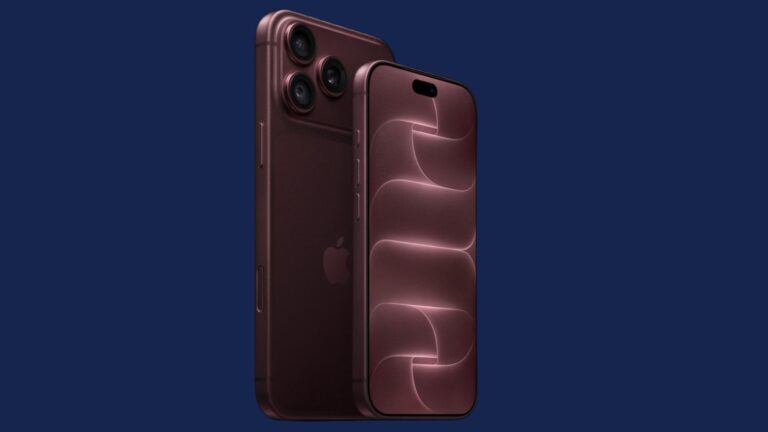
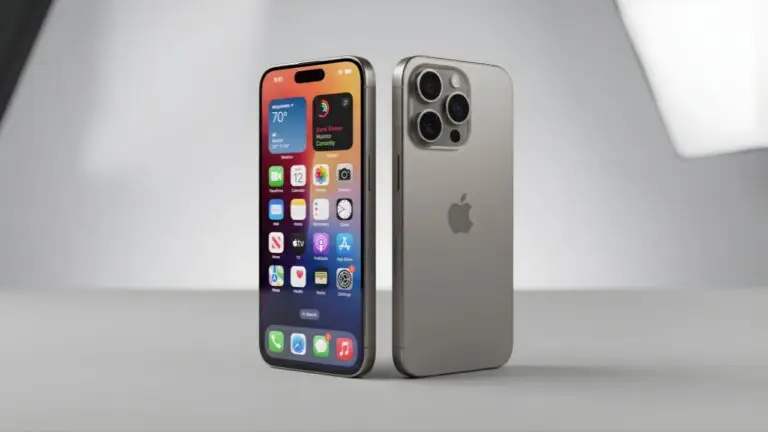
| Build | Titanium frame (Grade 5), textured matte glass back |
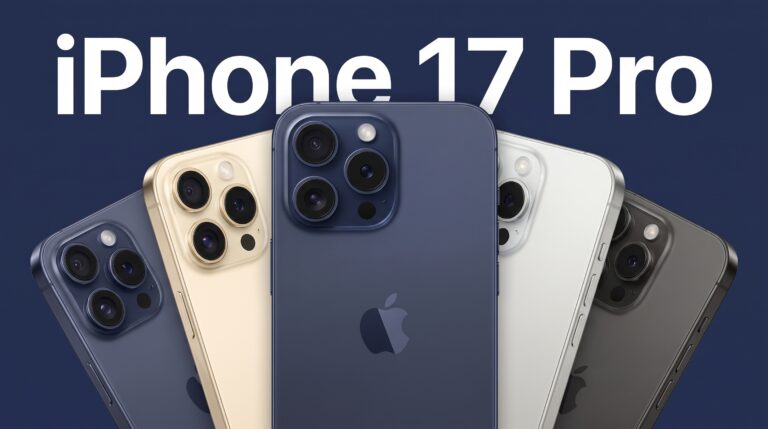
| Colors | Black Titanium, White Titanium, Natural Titanium, Desert Titanium |
| Weight | 199g (7.02 oz) |
| Dimensions | 149.6 x 71.5 x 8.25 mm |
| Face ID | Yes (Dynamic Island) |
| SIM | Dual eSIM (US) / eSIM + nano-SIM (international) |
Release Date
Apple announced the iPhone 16 Pro at its “It’s Glowtime” event on September 9, 2024. Pre-orders opened September 13, and it went on sale officially on September 20, 2024. Right on schedule — no surprises there.
One thing worth knowing: the iPhone 16 Pro was discontinued on September 9, 2025, following the announcement of the iPhone 17 Pro and Pro Max. So if you’re reading this in 2026, you won’t find it on Apple’s main storefront anymore, but it’s very much still available through third-party sellers and refurb channels.
Launch Price vs. What It Costs Now
At launch, the iPhone 16 Pro was priced at:
- 128GB: $999
- 256GB: $1,099
- 512GB: $1,299
- 1TB: $1,499
Apple held the line on pricing compared to the 15 Pro — no increase, which was a relief given how many rumors predicted a bump.
Now in 2026, things have shifted quite a bit. Apple’s certified refurbished store started the iPhone 16 Pro at $759 when they first listed it in February 2026. As of April 2026, the 128GB model was ranging from $600 to $800 depending on the retailer and condition, with the 512GB variant found around $819 on platforms like Amazon. On the used market, Swappa was showing iPhone 16 Pro prices starting at $499 — which, honestly, for this camera system, is a serious deal if you find one in good condition.
The discontinued status is actually working in buyers’ favor right now.
Design — Titanium, and It Actually Matters
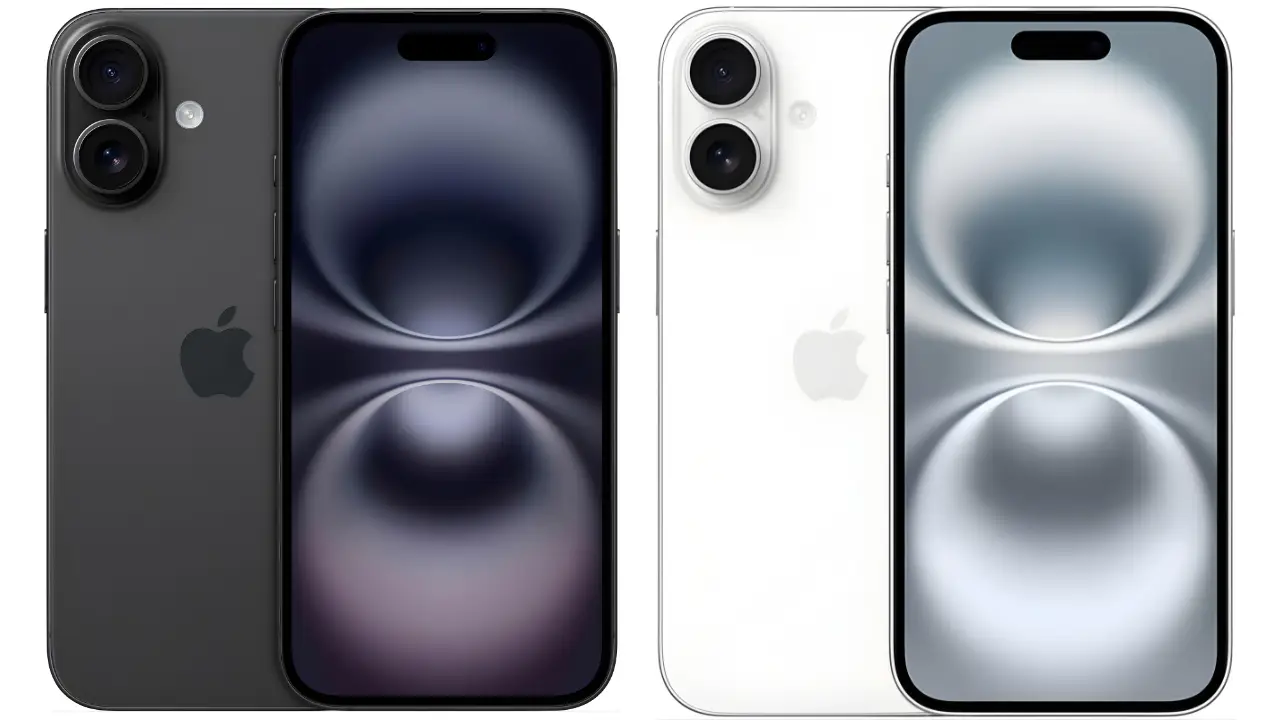
The 16 Pro kept the titanium frame introduced with the 15 Pro, and I’d push back on anyone who says it doesn’t make a difference in daily use. Titanium is lighter than stainless steel and warmer in the hand than the cold aluminum you get on the non-Pro models. At 199g, it’s the same weight as the iPhone 16 Plus — impressive given how much more technology is packed into a smaller, denser body.
The textured matte glass back is one of those details that only reveals itself after a week of use. It doesn’t collect fingerprints obsessively, it feels more intentional than glossy glass, and the way it catches light has a quiet premium quality to it. It’s not dramatic. It just feels considered.
Colors are restrained — four shades of titanium. Black Titanium is the sharp one. Desert Titanium divides people (some find it elegant, some find it beige, and honestly both camps aren’t wrong). Natural Titanium is the safe pick. White Titanium is cleaner-looking than it sounds.
The Dynamic Island is on top, same as 2023. It’s not flashy anymore — it’s just part of how the phone works at this point.
Display — ProMotion Makes a Real Difference
Here’s something I think gets undersold: the 1–120Hz adaptive display on the 16 Pro doesn’t just feel smoother than the 16 Plus’s 60Hz panel. It feels alive in a way that’s hard to describe until you go back to 60Hz for a day and immediately notice something missing.
The Always-On display is there too. It’s subtle — dim, showing the time and a few widgets — but once you’re used to glancing at your phone without picking it up, you don’t want to go back. The thing nobody tells you is that Always-On barely touches battery life because of how efficiently the LTPO panel manages refresh rate at low brightness.
At 2000 nits peak outdoor brightness, reading this phone in direct sunlight in July is genuinely fine. No squinting required. And with Dolby Vision and HDR10 support, any streaming content that takes advantage of it — Netflix’s HDR library, Apple TV+ stuff — looks noticeably better than on a standard panel.
Performance — A18 Pro Is Fast. Very Fast.
The A18 Pro chip is what separates this from the regular A18 in the iPhone 16 and 16 Plus. The GPU has an extra core (6 cores vs. 5), the Neural Engine is faster, and there’s a dedicated hardware ray-tracing accelerator that actually matters if you play any console-quality games on mobile.
In real-world use, the A18 Pro does what every flagship Apple chip does: it handles anything you throw at it without blinking. Editing a 4K 120fps timeline in the Files app, running Apple Intelligence features, doing Live Voicemail, switching between a dozen apps — none of it causes hesitation.
But here’s the honest reality check: the gap between an A18 Pro and the regular A18 in the 16 Plus is mostly theoretical for 90% of tasks. Where it actually shows up is in sustained workloads — video export, ProRAW processing, heavy game rendering — and in camera processing specifically, where the extra Neural Engine capacity translates to faster computational photography.
Camera — This Is Why You Buy the Pro
The camera system is the real story, and it’s genuinely impressive. Three lenses: a 48MP main, a 48MP ultrawide, and a 12MP 5x telephoto.
The 5x telephoto is the headline feature. The iPhone 15 Pro only had 3x optical zoom. Getting the 5x tetraprism (120mm equivalent) was a Pro Max-exclusive feature last year, and Apple finally brought it down to the standard Pro size in 2024. In side-by-side testing against the iPhone 15 Pro, the difference wasn’t academic — the 5x zoom transformed what the camera could do, capturing architecture details across a courtyard, the texture of a hawk’s wing at distance, a child’s expression from across a room. That’s the real-world gap.
The 48MP ultrawide is the quiet upgrade. This is the first time the Pro’s ultrawide matched the main camera in megapixels. Compared to the 12MP ultrawide on the iPhone 15 Pro, it produces noticeably cleaner low-light shots and sharper macro mode results. Most people won’t consciously notice — until they print something large, or crop heavily, and suddenly the detail is there.
4K at 120fps in Dolby Vision is genuinely a first for any smartphone. It also brings zero shutter lag for 48MP ProRAW or HEIF images, thanks to the quad-pixel sensor reading data 2x faster. For video creators — even casual ones making Reels or YouTube content — the flexibility of slowing down 4K footage without losing resolution is a meaningful tool.
Have you ever tried to photograph a fast-moving kid at a birthday party in low light and ended up with a blurry mess? The combination of faster sensor readout, better stabilization, and improved Night mode processing on the 16 Pro makes those moments noticeably better. Not perfect — phone cameras still struggle at distance in the dark — but better.
Battery Life — Better Than You’d Expect From a Smaller Phone
The 3,582 mAh battery sounds modest, especially compared to the 16 Plus’s 4,674 mAh. But the A18 Pro’s efficiency combined with the adaptive LTPO display (which drops to 1Hz when you’re not interacting with it) produces respectable results. Six weeks of real-world testing averaged around 9 hours and 12 minutes of mixed 5G and LTE use per charge — roughly 14 to 22% better than the iPhone 15 Pro under identical conditions.
It’s not a two-day phone. Heavy users — people navigating with GPS, shooting lots of video, using Apple Intelligence features constantly — will likely hit end-of-day anxiety. Average users won’t. That’s honestly a reasonable summary: fine for most people, not exceptional.
Charging is 27W wired and 25W via MagSafe. Fine. Not the fastest on the market (Android flagships are doing 65W and higher), but Apple has never prioritized charging speed, and the battery longevity benefits of slower charging are real, even if they’re invisible day to day.
Apple Intelligence — Real Feature or Marketing?
iOS 18 and 18.1 brought Apple Intelligence features to the 16 Pro: writing tools, notification summaries, Photo cleanup, Siri improvements, and more. Honestly, the results are mixed. Notification summaries are genuinely useful — I stopped missing important messages in cluttered notification stacks once it started grouping and summarizing them. The Photo cleanup tool (removing objects from backgrounds) works surprisingly well about 70% of the time, and the other 30% you get… interesting results.
Writing Tools, which can reword or summarize text in any app, are the kind of thing you don’t think you’ll use until you’re writing a message and realize you want it to sound more professional, and suddenly it’s just there. That said, Siri improvements were slower to roll out globally than Apple implied, and some features were still region-limited through early 2025.
Should You Buy the iPhone 16 Pro in 2026?
Let’s get to it.
✅ Buy It If:
- You’re upgrading from an iPhone 13 Pro or earlier — the 5x zoom, ProMotion, and A18 Pro will feel like a genuine leap
- You care seriously about camera quality, especially zoom and video
- You’re a content creator who shoots video and wants 4K120 Dolby Vision
- You want ProMotion 120Hz + Always-On display and can’t find that on a cheaper phone
- You find the $499–$800 range on used/refurb marketplaces — at that price, the value case is strong
- You’re in the Apple ecosystem and want Apple Intelligence with the best hardware to run it
❌ Skip It If:
- You already have an iPhone 15 Pro — the 5x zoom is meaningful, but the rest is incremental and probably doesn’t justify the cost
- Battery life is your priority — the 16 Plus outlasts this by a noticeable margin with a larger cell
- You want the absolute latest — the iPhone 17 Pro is out and newer, with a brighter display, improved chip, and better cameras still
- $999+ new feels like too much — because, well, it’s discontinued and that price is hard to justify now
- You need a physical SIM slot in the US (US models are eSIM only)
The Honest Bottom Line
At launch in September 2024, the iPhone 16 Pro at $999 was a tough but defensible call — a real upgrade over the 14 Pro and a meaningful one over the 15 Pro specifically because of the 5x zoom. In mid-2026, discontinued and available for $499–$800 on the secondary market, it’s actually one of the most interesting buys in the used smartphone space. ProMotion, tri-camera with genuine telephoto reach, titanium build, Apple Intelligence support, 4K120 video — all for prices that were mid-range Android territory a few years back.
Is it the best iPhone you can buy right now? No. That’s the iPhone 17 Pro. But the best value? That conversation is worth having.
What’s your upgrade situation? Are you coming from a 14 Pro, a 15 Pro, or jumping in from Android — and does the 5x zoom actually matter to how you shoot? Drop it in the comments — it changes the recommendation significantly, and I’m happy to give you a more specific take.