I watched a travel filmmaker friend spend twenty minutes comparing battery stats on his laptop before a three-week trip to Iceland last September. He’d been using the iPhone 16 Pro Max, but he kept coming back to one number — 39 hours of video playback on the iPhone 17 Pro Max. “That’s not a phone battery,” he said. “That’s a backup generator.” He bought it the day it went on sale, and when he came back from Iceland he sent me a reel shot entirely on it — landscapes, waterfalls, northern lights at 2 AM. He hadn’t touched his mirrorless camera once.
That’s where the iPhone 17 Pro Max lives. Right at the edge of making dedicated cameras feel optional.
So let’s break it down properly — specs, price, what it’s actually like to live with, and whether it’s the right call for you in 2026.
Release Date and Announcement
Announced: September 9, 2025, at Apple’s “Awe Dropping” event, Steve Jobs Theater, Cupertino.
Pre-orders opened: September 12, 2025.
In stores: September 19, 2025.
The 2025 event will probably be remembered for the iPhone Air — the impossibly thin 5.6mm newcomer — but the 17 Pro Max made a quieter, more serious argument. New aluminum unibody chassis, vapor chamber cooling, all three cameras at 48 MP for the first time in iPhone history, the longest battery life Apple’s ever shipped. It didn’t need to be dramatic. It just needed to be better. And it is.
Full Specs at a Glance
| Specification | Details |
|---|---|
| Announced | September 9, 2025 |
| Released | September 19, 2025 |
| Display | 6.9-inch Super Retina XDR OLED, ProMotion 1–120Hz (LTPO), Always-On, 3000 nits peak outdoor brightness, 2868×1320 resolution at 460 ppi, anti-glare finish |
| Chipset | Apple A19 Pro (3nm) — 6-core CPU (2 performance + 4 efficiency), 6-core GPU with Neural Accelerators per core, 16-core Neural Engine |
| RAM | 12 GB LPDDR5X |
| Storage Options | 256 GB / 512 GB / 1 TB / 2 TB (no microSD slot) — 2 TB is a first for any iPhone |
| Main (Wide) Camera | 48 MP, f/1.78, 24mm, 1/1.28″ sensor (1.22µm pixels), sensor-shift OIS, dual-pixel PDAF, 4K@120fps |
| Ultra-Wide Camera | 48 MP, f/2.2, 13mm, 1/2.55″ sensor, sensor-shift OIS, PDAF, macro photography, 4K@60fps |
| Telephoto Camera | 48 MP, f/2.8, 100mm (4× optical zoom, periscope), 1/2.55″ sensor, OIS, PDAF — up to 8× optical-quality zoom; 4K@60fps |
| Front Camera | 18 MP Center Stage (square sensor — shoots vertical or horizontal), f/1.9, 23mm, autofocus, 4K@60fps, ProRes, Dolby Vision |
| Video | 4K@120fps (main), ProRes, ProRes RAW, Dolby Vision, Cinematic mode, Spatial Video, Dual Capture, Log video recording |
| Battery | 5,088 mAh (eSIM model) / 4,832 mAh (nano-SIM model) — up to 39 hours video playback; longest ever in an iPhone |
| Charging | Wired 40W (50% in ~20 min with 40W+ adapter); MagSafe 25W wireless; Qi2.2 wireless; USB-C (USB 3) |
| Cooling System | Apple-designed vapor chamber laser-welded into aluminum unibody — deionized water moves heat across chassis; up to 40% faster sustained performance than A18 Pro |
| Build | Heat-forged aerospace-grade 7000-series aluminum unibody, Ceramic Shield 2 front (3× better scratch resistance), Ceramic Shield back (4× more crack-resistant), LiDAR scanner |
| Biometrics | Face ID (3D facial recognition) |
| Water Resistance | IP68 |
| Connectivity | 5G (sub-6GHz, 20+ bands), Wi-Fi 7, Bluetooth 6, NFC, USB-C (USB 3 speeds), eSIM, satellite connectivity |
| Operating System | iOS 26 (launches with it; currently iOS 26.4.x) |
| Dimensions | 163.4 × 78.0 × 8.75 mm (6.43 × 3.07 × 0.34 inches) |
| Weight | 231 g / 233 g (8.15–8.22 oz depending on model variant) |
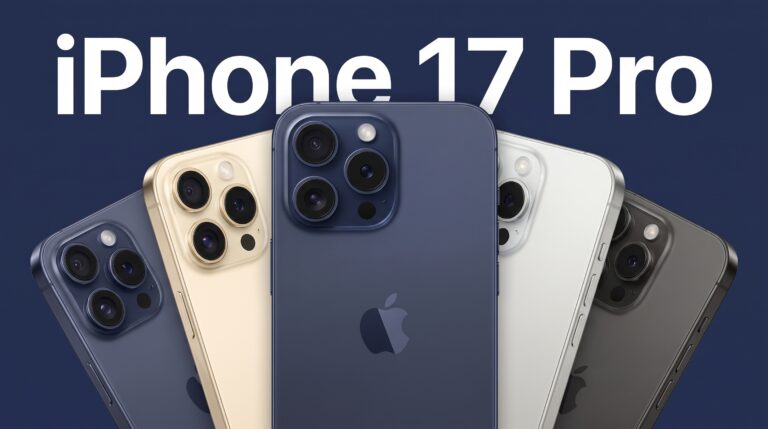
| Colors | Silver, Cosmic Orange, Deep Blue |
| Special Buttons | Action Button, Camera Control Button |
| Launch Price (256 GB) | $1,199 |
| Launch Price (512 GB) | $1,399 |
| Launch Price (1 TB) | $1,599 |
| Launch Price (2 TB) | $1,999 |
| Current Price (May 2026) | $1,199 new — available at Apple, Best Buy, T-Mobile, Verizon, AT&T; carrier deals with trade-in available |
Price — What You’re Actually Paying
The iPhone 17 Pro Max starts at $1,199 for 256 GB — the same launch price as the iPhone 16 Pro Max. Apple held the line on cost despite adding the aluminum unibody, vapor chamber cooling, and the upgraded camera system. The 512 GB model is $1,399, 1 TB is $1,599, and the new 2 TB option — a first in iPhone history — is $1,999. If you’re a filmmaker shooting ProRes RAW on location and hate deleting footage, that 2 TB tier actually makes a real argument for itself. For everyone else, 256 GB or 512 GB will do fine.
As of May 2026, the $1,199 price hasn’t moved at Apple or any major US carrier. Carrier trade-in deals at T-Mobile and Verizon can cut the effective monthly cost significantly if you’re upgrading from an iPhone 14 Pro Max or older. Apple financing splits $1,199 into 24 payments at 0% APR through Apple Card. The used market is still holding close to retail — this phone is less than a year old — so meaningful discount hunting through platforms like Swappa is mostly a waiting game at this point.
What the iPhone 17 Pro Max Is Like to Actually Use
The Design Change Nobody Saw Coming
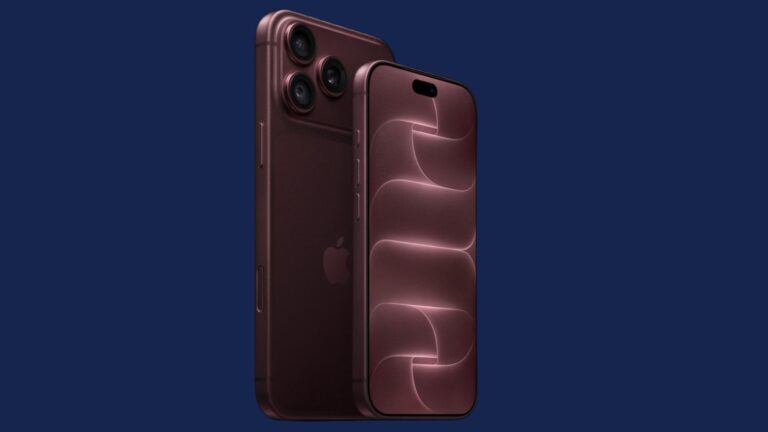
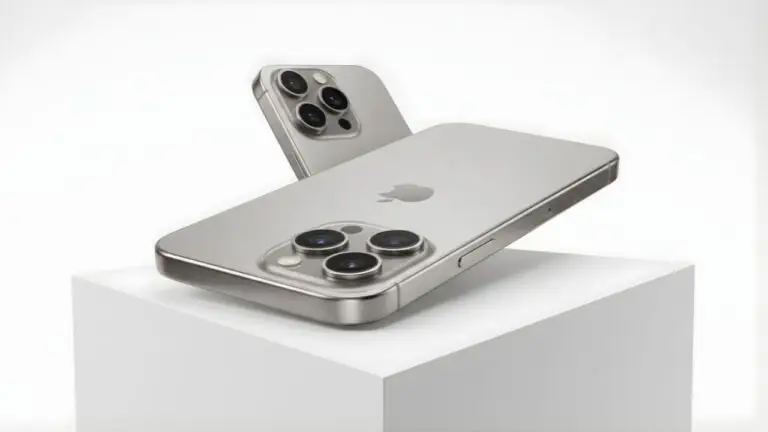
The biggest surprise in the 17 Pro Max isn’t a camera spec or a chip number. It’s the chassis. Apple ditched titanium — which debuted on the 15 Pro Max in 2023 and lasted exactly two generations — and replaced it with an aerospace-grade 7000-series aluminum unibody. One piece of heat-forged metal forms the entire frame and back. And before you ask: yes, this was a deliberate performance choice, not a cost cut.
The aluminum is thermally conductive in a way titanium isn’t. Apple laser-welded a vapor chamber cooling system directly into the unibody — sealed deionized water that pulls heat off the A19 Pro chip and distributes it across the entire chassis. The result is up to 40% faster sustained performance than the A18 Pro under prolonged heavy workloads, because the chip can finally run at full speed without thermal throttling. That matters for ProRes video recording, gaming, and heavy Apple Intelligence tasks — situations where previous iPhones would quietly slow down after a few minutes. The 17 Pro Max doesn’t slow down.
The weight is 231 grams. That’s actually a few grams lighter than the titanium 16 Pro Max (228 g… close enough that you won’t feel it). And the new Ceramic Shield 2 back is four times more crack-resistant than the glass back on the 16 Pro Max. In my experience, dropping phone anxiety is real, and knowing the back is that much tougher does genuinely change how casually you handle it.
The Camera System — Three 48MP Lenses, for Real This Time
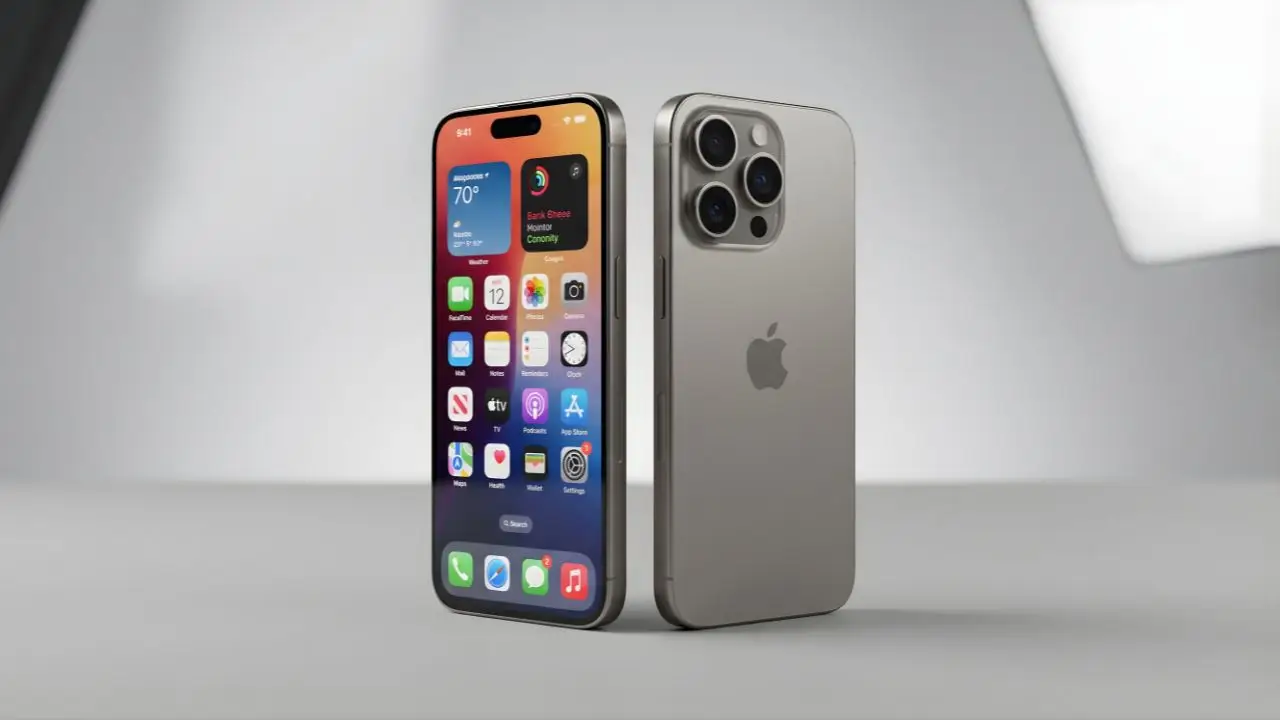
This is the headline upgrade, and it’s a real one. For the first time in any iPhone, all three rear cameras are 48 megapixels — the main wide, the ultra-wide, and the telephoto. Previous Pro Max models had a 12 MP ultra-wide and 12 MP telephoto alongside the 48 MP main. Closing that gap matters.
The main 48 MP sensor on the Pro Max is slightly larger than the Pro’s — a 1/1.28″ sensor versus the Pro’s 1/1.56″ — which gives it a real low-light advantage in demanding conditions. Night shots at events, concerts, and dimly lit restaurants come back cleaner and with better detail than the 16 Pro Max. The ultra-wide at 48 MP means macro photography and wide landscape shots finally have the resolution to match what the main camera can do. And the telephoto — 4× optical zoom at 100mm, with 8× optical-quality reach through sensor cropping — is the longest zoom Apple’s ever put in a non-Pro Max iPhone. In practice, shooting across a beach, pulling in distant architecture, or framing a stage performance from the back of a venue, you get usable, detailed photos where a 5× zoom was just barely enough before.
Video is where the Pro Max genuinely has no smartphone rival. 4K at 120 frames per second from the main camera, ProRes RAW recording, Dolby Vision across all three lenses, Cinematic mode, Dual Capture (front and rear simultaneously), and spatial video for Apple Vision Pro viewing. My filmmaker friend came back from Iceland with clips that held up at 4K on a 27-inch monitor. That’s not phone footage anymore — that’s just footage.
The Battery. Finally, Actually the Battery.
Up to 39 hours of video playback. That’s Apple’s number, and it’s the most impressive battery claim ever on an iPhone. The aluminum unibody design freed up internal space for a larger battery — 5,088 mAh on the eSIM model — and the A19 Pro’s efficiency means less draw on everyday tasks. Real-world users report finishing full heavy-use days (maps, video calls, social media, photography, streaming) with 25–35% battery remaining. That’s genuinely different from the 16 Pro Max experience, where heavy users were sometimes hunting for a charger by 9 PM.
The thing nobody tells you ahead of time is how much low-level anxiety the battery improvement removes. When you stop checking your percentage every hour, you use the phone differently — more freely, more completely. It sounds abstract until you’ve lived with a phone that just doesn’t run out.
Fast charging gets you to 50% in 20 minutes with a 40W adapter. MagSafe tops out at 25W wireless. The 40W Dynamic Power Adapter isn’t included in the box — it’s $39 extra, which is a legitimate complaint — but once you have it, the charging speed is meaningful for a phone this size.
The A19 Pro Chip and 12 GB of RAM
The 17 Pro Max carries the same A19 Pro chip as the iPhone 17 Pro, but with 12 GB of RAM (the regular iPhone 17 has 8 GB). For most daily tasks, the extra RAM is invisible. It starts to matter in multi-tasking heavy sessions — keeping multiple tabs, apps, and background processes alive simultaneously — and in on-device AI workloads through Apple Intelligence. Image Playground, Writing Tools, and the generative features in iOS 26 run noticeably faster on the A19 Pro than they did on the A18 Pro, partly because of the Neural Accelerators built into each GPU core. Gaming performance is excellent, and the vapor chamber keeps the phone from getting warm during extended sessions in a way that the 16 Pro Max couldn’t always manage.
The 6.9-Inch Display — Is It Too Big?
That depends entirely on your hands and your habits. The 6.9-inch Super Retina XDR OLED is the same size as the 16 Pro Max, with the same ProMotion 1–120Hz adaptive refresh rate and the same 3000-nit outdoor brightness. Apple added an anti-glare finish this generation — a genuinely useful change if you use your phone outdoors in direct sunlight, which is approximately every person who’s ever squinted at their screen at noon. The Dynamic Island notch design carries over unchanged, which some reviewers flagged as a missed opportunity for a refresh. Honestly, at this point it’s been two years and I’ve stopped noticing it entirely. You do too.
One-handed use remains unrealistic for anything beyond passive scrolling. If you’re coming from a smaller phone and haven’t used a Pro Max before, give yourself two weeks before deciding whether the size is a dealbreaker. Most people adjust. Some never do.
The Honest Limitations
The aluminum chassis is a real trade-off on scratch resistance. Aluminum scratches more visibly than titanium, and some early owners reported micro-scratches appearing faster than expected on the frame. A case eliminates this concern entirely, but it’s worth knowing if you’re a caseless phone person — and you know who you are.
Video is extraordinary. Still photography, while excellent, trails the best Android competitors in some technical areas, particularly in the telephoto zoom range where phones like the Samsung Galaxy S25 Ultra offer longer optical reach. For most photographers this won’t matter, but if you’re comparing spec-for-spec against Android ultra phones, the 17 Pro Max isn’t the unchallenged leader in every category.
And Apple still doesn’t include the 40W adapter in the box. $1,199 phone, $39 adapter sold separately. That’s the kind of thing that’d be rude to bring up at a dinner party, but we’re not at a dinner party.
iPhone 17 Pro Max vs. iPhone 17 Pro — Which One?
The 17 Pro is $1,099 with a 6.3-inch screen and 33 hours of battery life. The 17 Pro Max is $1,199 with a 6.9-inch screen and 39 hours. Both have the same triple 48 MP camera system, same A19 Pro chip, same vapor chamber cooling, same 12 GB RAM. The Pro Max also goes up to 2 TB storage; the Pro maxes at 1 TB. And the main camera sensor on the Pro Max is slightly larger (1/1.28″ vs. 1/1.56″), which gives it a marginal low-light edge.
If you want the maximum iPhone experience and the screen size doesn’t bother you, the $100 gap between them is easy to close. If you’ve been squinting at a 6.3-inch phone thinking “that’s plenty,” save the $100 and get the Pro. The only people who should definitely get the Pro Max over the Pro are those who specifically want the biggest screen, the longest battery, or the 2 TB storage option.
Should You Buy the iPhone 17 Pro Max?
Yes, Buy It If…
- You’re upgrading from an iPhone 14 Pro Max or older. Across the board — chip, cameras, display, battery, build — the gap is enormous. This isn’t a marginal yearly upgrade; it’s a genuine generational leap.
- You shoot video seriously. No smartphone in any price bracket does video better than the iPhone 17 Pro Max in 2025. ProRes RAW, 4K@120fps, Dolby Vision, Cinematic mode — it’s a filmmaking tool in a 231-gram package.
- Battery life is the single biggest frustration with your current phone. The 39-hour video playback rating translates into real-world all-day confidence that previous Pro Max models couldn’t consistently deliver.
- You want maximum storage. The 2 TB option exists nowhere else in the iPhone lineup. For content creators, photographers with large libraries, or people who refuse to use iCloud for local storage, it’s the only game in town.
- You want this phone to last five or six years. With 12 GB RAM, A19 Pro, iOS 26 support likely extending past 2031, and the most durable iPhone build Apple’s shipped in years, this phone is designed to stay relevant.
Skip It If…
- You’re on a 16 Pro Max already. The camera upgrade is real. The battery improvement is real. But neither justifies $1,199 when your 16 Pro Max still runs iOS 26 and takes excellent photos.
- The 6.9-inch size genuinely doesn’t work for your hands. Don’t talk yourself into it hoping you’ll adjust if you’ve tried Pro Max phones before and hated the size. Get the 17 Pro instead.
- Budget matters more than specs. The regular iPhone 17 at $799 is an excellent phone with a 30-hour battery and 48 MP dual cameras. For most people who aren’t in professional creative work, the $400 gap is hard to justify.
The bottom line: the iPhone 17 Pro Max is the best iPhone Apple has ever made, and it’s not particularly close. The combination of vapor chamber cooling (finally unlocking the A19 Pro’s full sustained performance), 39-hour battery life, triple 48 MP cameras, and the most durable chassis in years adds up to a phone that does fewer things wrong than any previous iPhone. At $1,199 it’s expensive. For the right buyer — a filmmaker, a heavy phone user, someone coming from a 2022 or older device — it earns that price every day.
So tell me — are you going the Pro Max route or are you leaning toward the smaller 17 Pro to save the $100 and get a lighter phone? Or maybe you’re holding out entirely, waiting for the iPhone 18 Pro that’s expected in September 2026? Drop it in the comments — I want to know what’s actually driving your decision.