
Scroll far enough through Instagram or TikTok and you’ll land on a face that posts every day, never ages, never has a bad hair day, and never says something a brand regrets. This is not a real girl its an Ai influencer built from Ai images not of a camera. The category is going viral globally. And virtual influencer market has reached somewhere between roughly $6 billion to $12 billion in 2026 depending on how sponsorship spend, and that’s still growing faster than regular influencer marketing.
This guide helps you to create influencer keeping the same face across dozens of images. Anyone can generate one best AI portrait. Building an influencer means that same person shows up in a coffee shop, on a beach, in a product photo, and in a mirror selfie and still looks like the same human every time.
What Counts as an AI Influencer
There are two rough categories. The first is a brand-owned CGI character built by a marketing team or studio like think Lu do Magalu, the Brazilian retailer’s mascot, who reportedly earned more than $2.5 million across 74 sponsored posts in 2026. The second, and the one most solo creators actually attempt, is a photoreal persona generated with consumer AI image tools and run by one person or a small team. Lil Miquela and Aitana Lopez both started this way, and Aitana’s creator has said her monthly earnings run up to around €10,000 despite a following under 300,000. This is a sign that a tightly defined niche beats raw follower count.
Both types depend on the same underlying skill identity and consistency. That’s the hard part, and it’s what the rest of this guide is built around.
Why People Are Actually Doing This
Three motivations show up over and over. Brands want a spokesperson who never ages out of a campaign, never causes a PR scandal, and can appear in unlimited scenes without a photo shoot budget. Solo creators want a way to build a following without being on camera themselves. Useful if you value privacy or simply don’t want to be recognized. And marketers use the same consistency techniques for less dramatic jobs, like repeatable product photography or a mascot for a newsletter.
The numbers back up why brands keep experimenting. Virtual influencer campaigns are reported to pull average engagement rates around 5.6–5.9%, against roughly 1.9% for human influencer campaigns nearly three times higher. Some of that gap is probably novelty and algorithmic favor rather than the character itself, and it’s reasonable to expect it to shrink as the format becomes less unusual.
The Tools That Actually Hold a Face Together
Every major AI image generator can make one great portrait. Only a handful reliably put that same person in twenty different scenes. Here’s where things stand as of mid-2026.
| Tool | Consistency method | Starting price | Best for |
|---|---|---|---|
| Midjourney (V7) | Omni Reference (replaced the older –cref parameter) | $10/month, no free tier | Strongest aesthetic range, painterly to photoreal |
| Leonardo AI | Character Reference tool | Free tier (150 daily credits); paid plans from roughly $10–12/month | Beginners, generous free usage, brand/game assets |
| Flux Kontext (Black Forest Labs) | Image-to-image contextual editing | Pay-per-image via API, a few cents each; no official BFL consumer subscription | Fast local edits, developers building pipelines |
| Nano Banana Pro (Google, Gemini 3 Pro Image) | Up to 14 reference images, holds up to 5 identities at once | Free tier in the Gemini app; full access via Google AI Pro ($19.99/month) or Ultra ($99.99+/month) | Multi-character scenes, plain-language edits |
A quick honesty check on that Flux row several sites sell yearly “Flux Kontext AI” subscriptions for under $10 a year, and they aren’t Black Forest Labs itself. They’re third-party wrappers reselling API access. Not necessarily a scam, but know what you’re paying for before handing over a card number.
Midjourney
Midjourney V7 dropped the old. Its parameter as the main consistency tool in favor of Omni Reference, which pins a face, object, or outfit across a wider range of scenes and lighting than the previous system managed. It’s still not a guarantee expect the occasional generation where a jawline drifts or a freckle pattern shift. But independent testing has it holding identity better than most competitors on straightforward portrait work.
Leonardo AI
Leonardo’s Character Reference tool does a similar job through a cleaner web UI and, unlike Midjourney, a genuinely usable free plan has 150 credits a day, enough for a couple dozen standard images. It’s a sensible place to learn the basics before paying for anything. The PhotoReal preset targets realism specifically, though it still struggles with complex poses and hands, same as most image models in 2026.
Flux Kontext
Flux comes from Black Forest Labs, and its Kontext models are built specifically for image-to-image editing rather than pure text-to-image generation , you feed it a reference photo and an instruction, and it edits around that identity. It’s fast and cheap at the API level, which makes it popular with developers stitching together content pipelines, but there’s no polished consumer app to go with it. If you’re not comfortable with an API key, this one’s more work than the others.
Nano Banana Pro
Google’s Gemini 3 Pro Image model takes a different approach: instead of a dedicated reference parameter, you feed it up to 14 images and describe in plain language what to keep and what to change — “maintain this person’s facial features exactly, change only the background.” It can hold up to five distinct identities consistent in one scene, more than any competitor here manages, and Google reports it’s already produced over 200 million images since launch. For a single-character influencer it’s arguably overpowered, but the free tier in the Gemini app makes it worth testing before paying for anything else.
The Actual Workflow
Skip straight to prompting and you’ll end up with twenty unrelated faces, not one influencer. The order matters more than any single prompt.
- Define the person before the prompt. Age range, general style, a name, a rough personality. Skipping this is the biggest reason character consistency falls apart later — the model has nothing stable to anchor to.
- Generate a clean base portrait. Neutral lighting, front-facing, plain background. This becomes your reference image for everything else.
- Build a small reference set. Regenerate the same face from a few angles and expressions using your tool’s reference feature. Five to ten images is usually enough.
- Lock your seed or reference IDs. Every tool above lets you reuse a specific reference image or seed number — write these down. Losing track of which reference made which face is the most common beginner mistake.
- Generate scenes, not just faces. Feed the locked reference into new prompts describing settings, outfits, and activities, one variable at a time.
- Check at full size, not thumbnail. Faces that look identical shrunk down often reveal drift once you view them full resolution.
- Retouch and batch. Light color-matching and blemish cleanup smooths over the small inconsistencies every current model still produces.
Sample Prompts
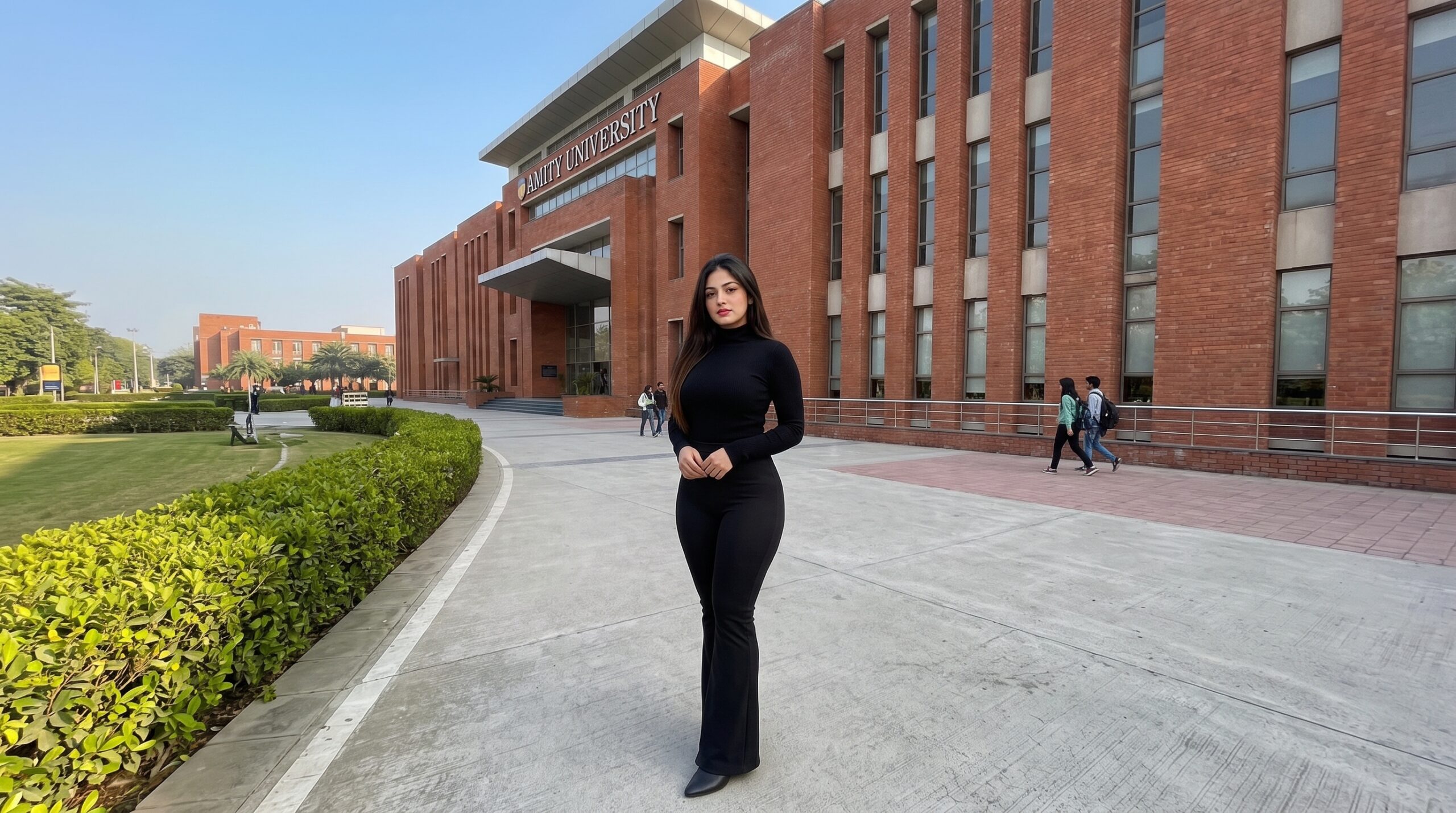
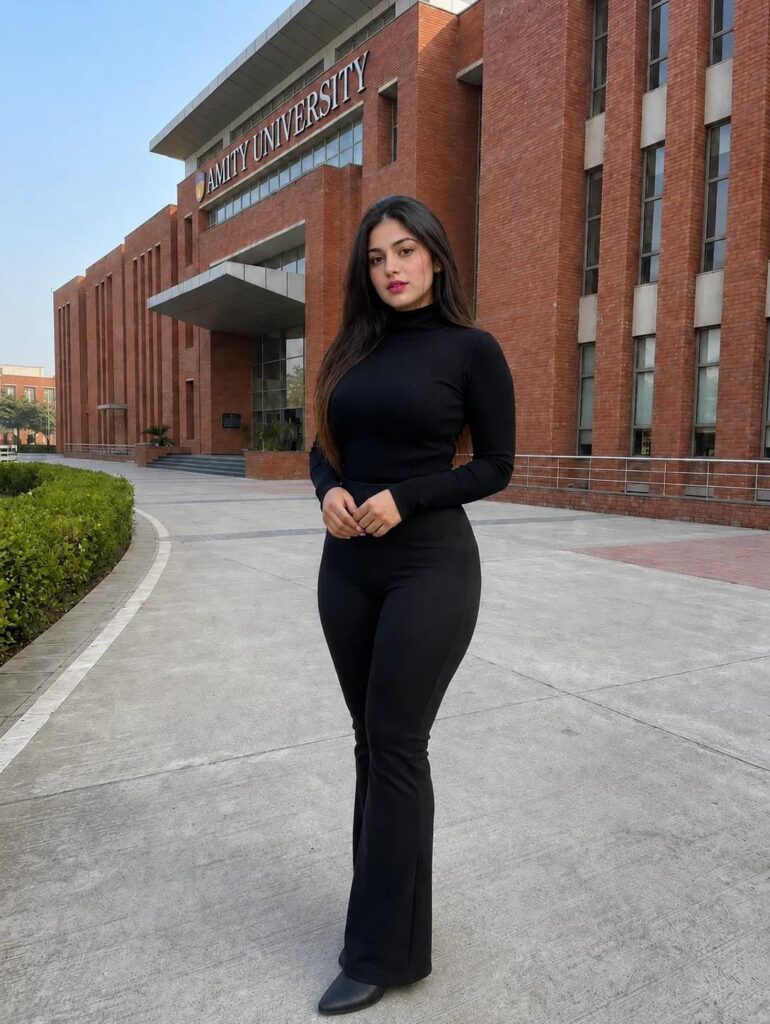
Prompt1: Ultra-realistic full-body fashion editorial portrait of a confident young woman standing on a wide university campus walkway in front of a modern red-brick academic building with large glass windows and contemporary architecture. She wears a fitted black ribbed turtleneck full-sleeve top, high-waisted black flared pants, and black pointed-toe shoes.
Prompt 2:
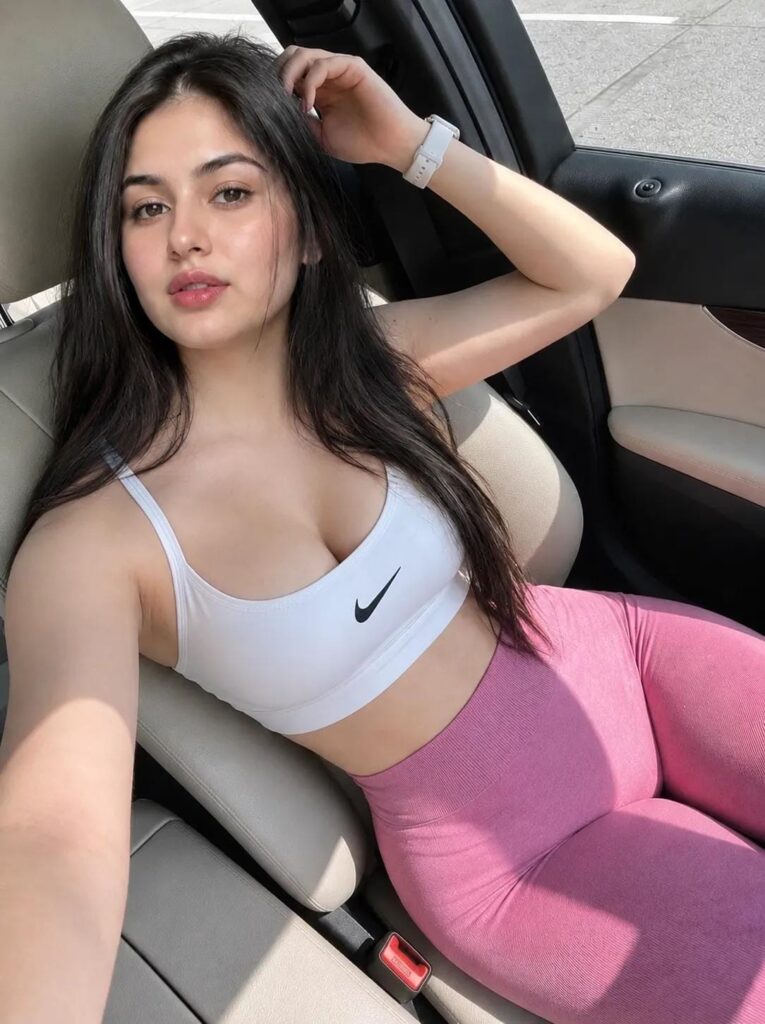
Don’t Alter Face ID, Use my 100% face and body structure from attached reference to create a ultra-realistic smartphone selfie of a young woman seated in the front passenger seat of a modern luxury car with beige leather interiors. She has long straight dark brown-black hair parted in the center, natural glowing skin, soft pink makeup, defined brows, brown eyes, and nude-pink lips with a calm, confident expression while looking directly into the camera.
Prompt 3
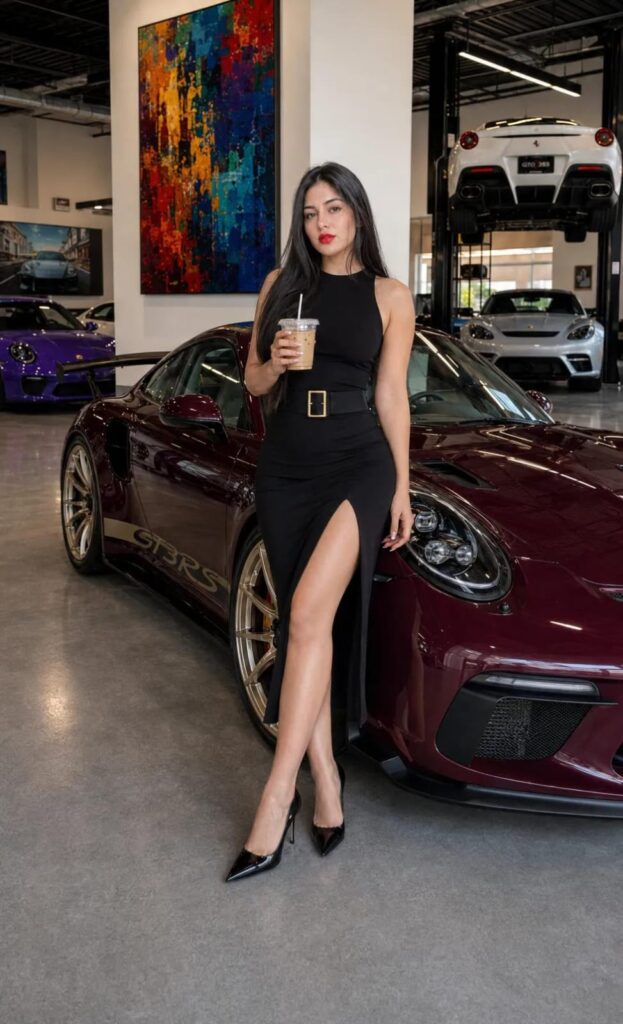
Don’t Alter Face ID, Use my 100% face and body structure from attached reference to create a ultra-realistic luxury automotive lifestyle editorial portrait of a glamorous young woman standing beside the front-left corner of a deep metallic burgundy Porsche 911 GT3 RS inside a premium exotic car showroom.
Prompt 4
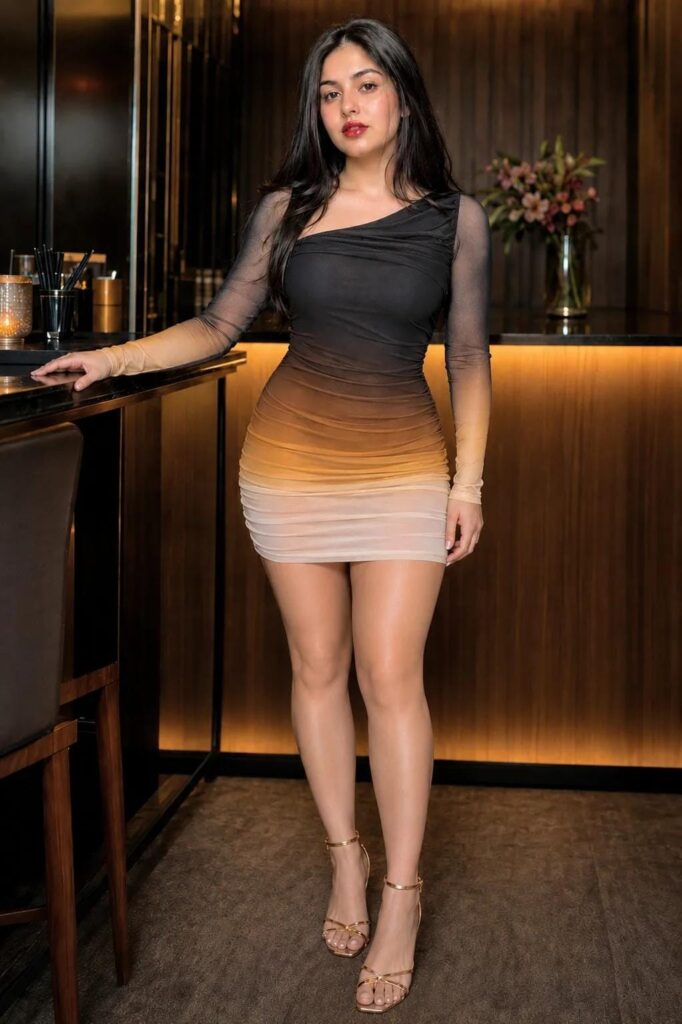
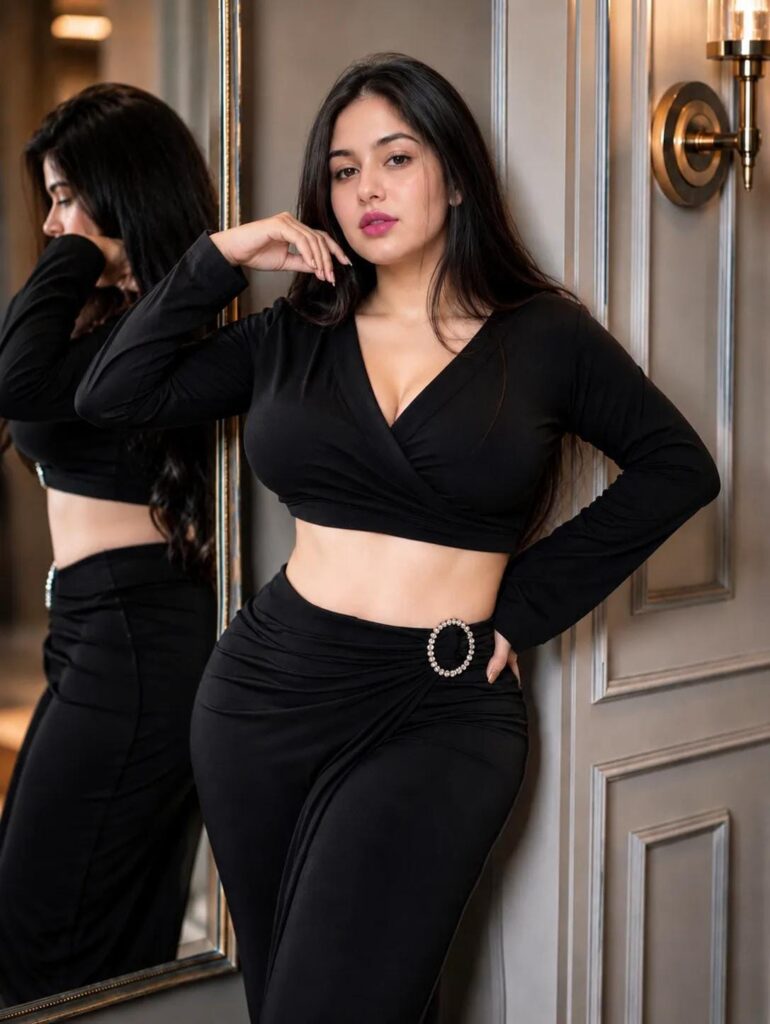
Here’s a detailed reverse prompt that captures the image’s visual style, composition, lighting, clothing, and photography characteristics without identifying the person: — Reverse Prompt: Ultra-realistic full-body fashion portrait of a young woman standing in an upscale luxury lounge or modern cocktail bar. She is leaning casually with one hand resting on a glossy black countertop while the other arm hangs naturally by her side.
Prompt 5
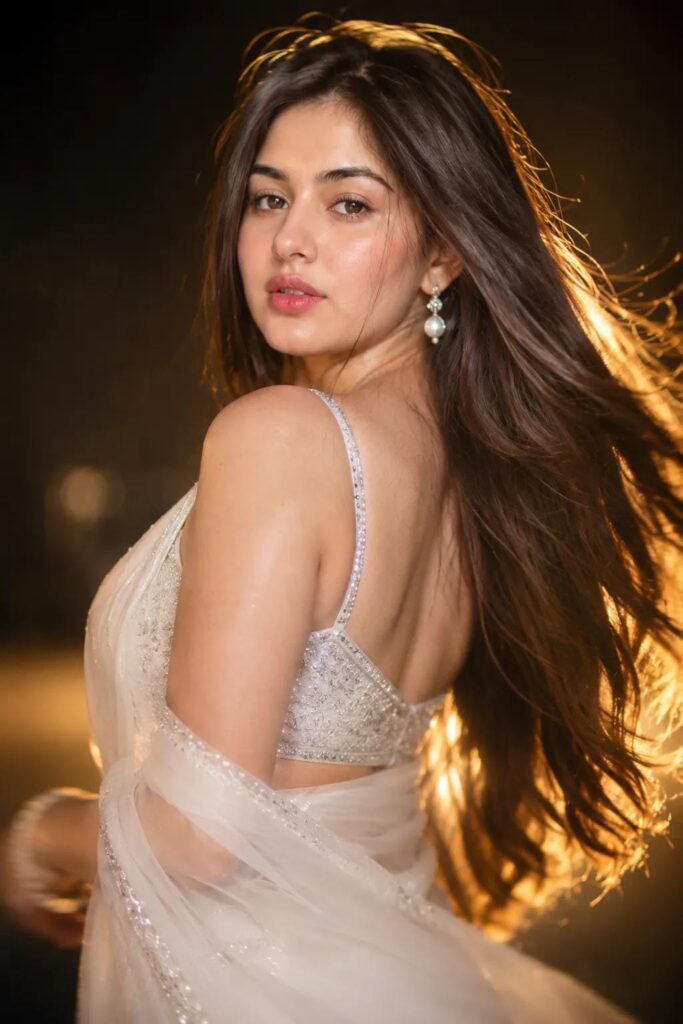
Ultra-realistic DSLR fashion portrait of a young woman with long straight black hair, fair neutral skin tone, soft natural facial features, full matte dark pink lips, subtle blush, defined brows, soft brown eye makeup, and natural eyelashes.
Prompt 6
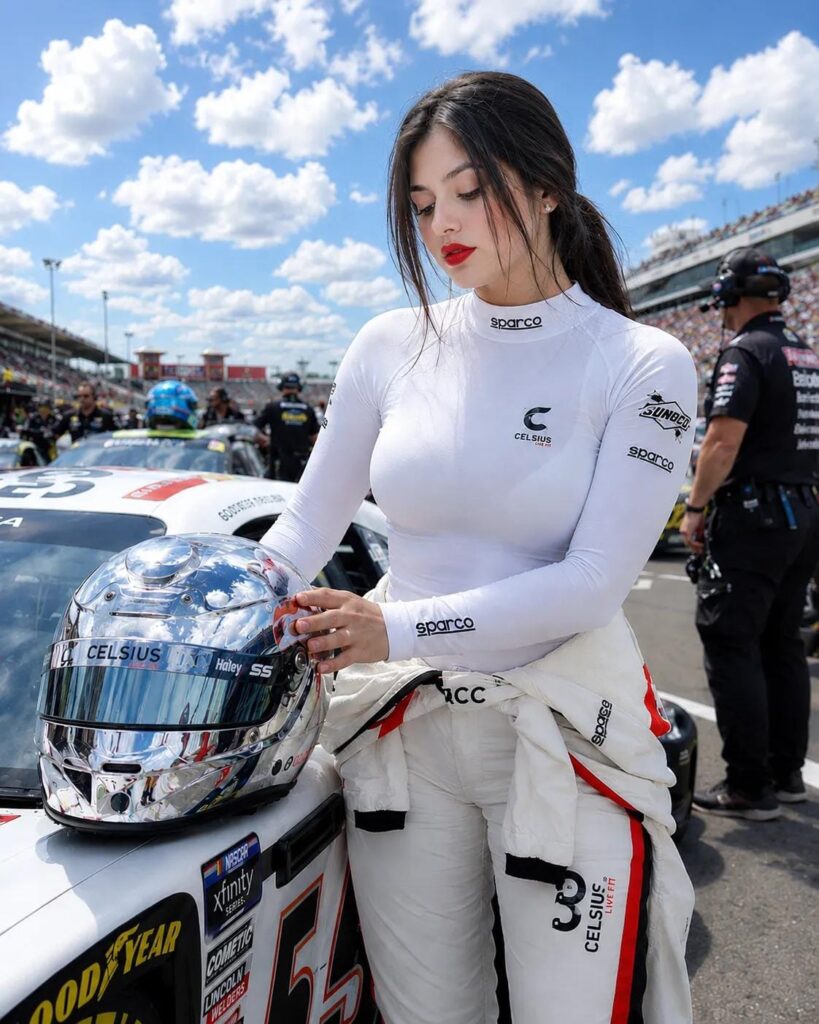
Don’t Alter Face ID, Use my 100% face and body structure from attached reference to create a ultra-realistic motorsport paddock editorial portrait of a young female racing driver standing beside a professional race car on the starting grid before a racing event. She is wearing a fully body fitted white polyester suite with a high mock neck, subtle sponsor logos (Sparco, Sunoco, Promptpedia, Celsius-inspired branding).


What Nobody Mentions Until You’ve Started
None of this is as plug-and-play as tool marketing pages suggest. A few limitations are worth knowing before you invest real time.
- Consistency still degrades over long batches. Even the best reference systems drift eventually, hairlines shift, jaw shapes soften. Budget time for regenerating outliers, not just generating new content.
- Disclosure isn’t optional anymore. Meta made AI content labeling mandatory for ads across Facebook and Instagram in 2026, and organic posts get an automatic “Made with AI” tag when the system detects a synthetic face. The FTC treats a synthetic influencer’s endorsement the same as a paid human one, it has to be clearly identified as non-human, not buried in a caption.
- Audience trust is mixed. Recent survey data shows a sizeable share of people say they’re uncomfortable with brands using AI influencers, even as engagement numbers stay strong, the two aren’t contradictory, they’re measuring different things.
- Likeness risk is real. If your generated base face lands too close to an actual identifiable person, you’re exposed to right-of-publicity and platform takedown issues. Generate several base options and pick one that doesn’t resemble anyone you can name.
- Video is a separate, harder problem. Everything above covers stills. Carrying the same face through motion without visible warping is a different skill set most of these tools handle less reliably than static images.
AI Influencer vs. the Alternatives
An AI influencer isn’t competing only with other AI influencers, it’s competing with a real human creator, a fully custom CGI character, and, honestly, with faceless content that skips the persona question altogether.
A real human creator brings an existing relationship with an audience and no disclosure overhead, but costs more per post and can’t be in two places at once. A fully custom-built CGI character, the Lu do Magalu route, gives a brand complete IP ownership and control, but needs a studio budget most solo creators don’t have. Faceless content, voiceover over B-roll, no persona at all sidesteps every consistency and disclosure problem discussed here, at the cost of the personal connection a face-based account can build.
An AI-generated persona sits in the middle cheaper than CGI, more scalable than one human being, but carrying real compliance and trust overhead that faceless content simply doesn’t.
Who Should Try This, and Who Should Skip It
Worth trying if you’re a marketer testing a repeatable visual identity for product shots or campaigns, or a creator who wants a consistent character for a niche without appearing on camera personally, and you’re genuinely willing to put in the reference-building work above.
Worth skipping if you’re expecting guaranteed viral growth — the earnings figures above are the visible top of the market, not the median. Skip it too if you’re not prepared to label the content as AI-generated, since platform enforcement on that point has gotten noticeably stricter through 2026, or if your use case really needs video-first content rather than stills.